
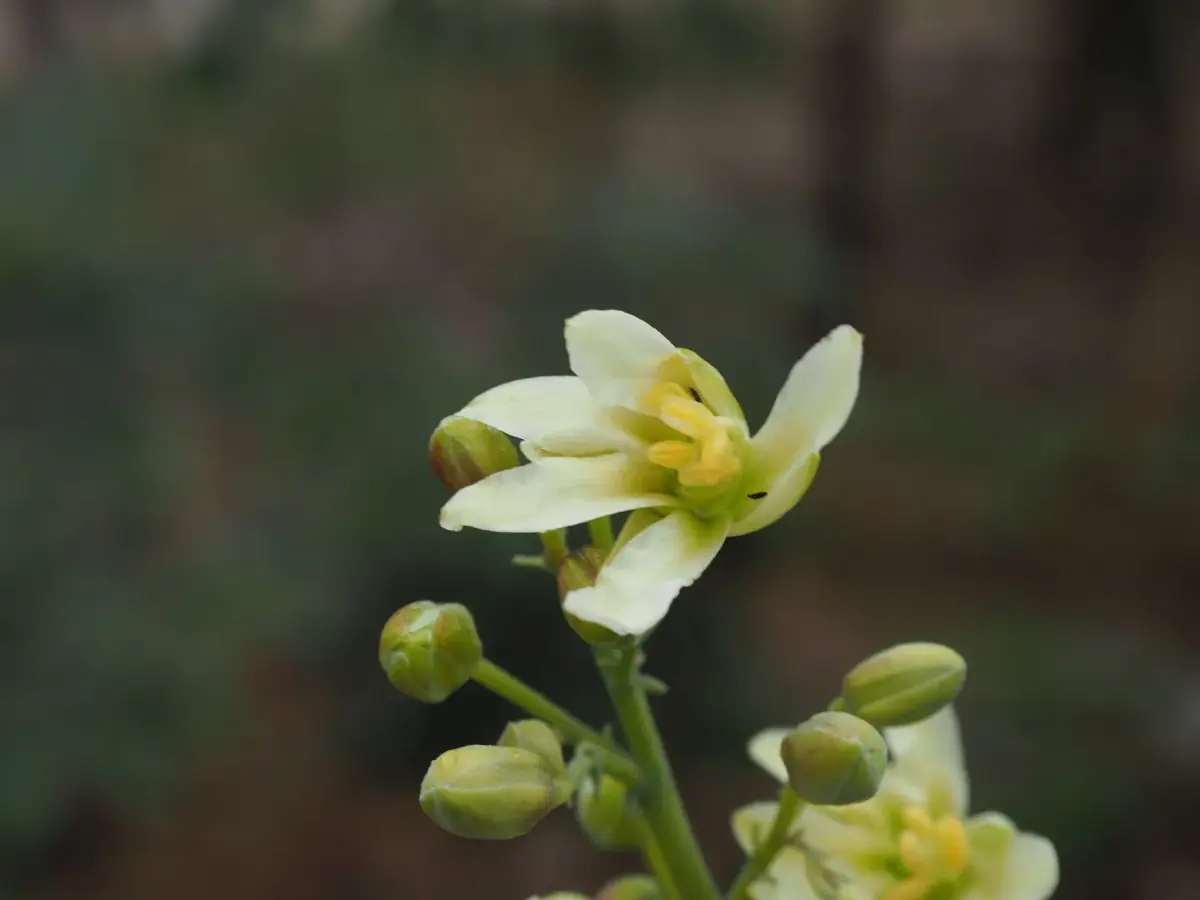
Moringa
Fast-growing, exceptionally drought-hardy, with edible leaves.
- Scientific name: Moringa oleifera
- Family: Moringa family
- Also known as: Drumstick tree
Moringa is among the fastest-growing and least thirsty trees available, and that combination is rare. It puts on several metres in a single season, and its leaves are harvested and eaten — a practical choice for anyone who wants quick shade and a return from the same tree.
At a glance
- Plant typeTree or shrub
- WateringEvery 1–2 weeks
- LightFull sun
- Comfortable range20 – 38 °C
- Height3 – 12 m
- FloweringSummer and autumn
- HarvestSummer through winter
Care guide
Watering
Deep, infrequent watering every one to two weeks. Deep and occasional builds strong roots and real drought tolerance; frequent shallow watering does precisely the opposite.
Light and heat
Full sun and high heat — its native range is arid, and it is entirely comfortable in a Saudi summer.
Soil and feeding
Free-draining garden soil. A high-nitrogen feed monthly through spring and summer pushes leaf growth, which is usually what you are after. Ease off during dormancy.
Pruning
Prune regularly in spring to encourage branching and lift leaf yield. Left unpruned, moringa grows tall and bare at the bottom, and the leaves end up out of reach.
Propagation
Cuttings or layering in spring, both fairly straightforward. New buds and leaves tell you it has taken.
In Saudi conditions
One of the best choices for dry sites that will not get regular irrigation. Moringa grows fast enough to throw usable shade within a season or two, which most shade trees simply do not.
Common problems
- Leaf drop under severe water stress
- Brown leaf spotting in humid conditions
- Tall, sparsely branched growth if pruning is neglected
- General yellowing, which usually means underfeeding rather than disease
Need a hand?
Planting moringa as a fast shade screen and keeping it pruned are covered by our planting and routine maintenance services.
Similar plants
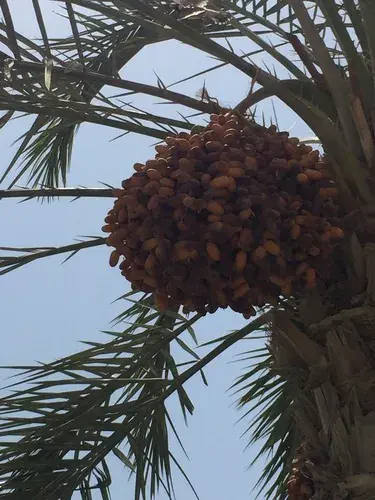
Date palm
Phoenix dactylifera
Saudi Arabia's signature tree: heat-hardy, salt-tolerant, productive for decades.
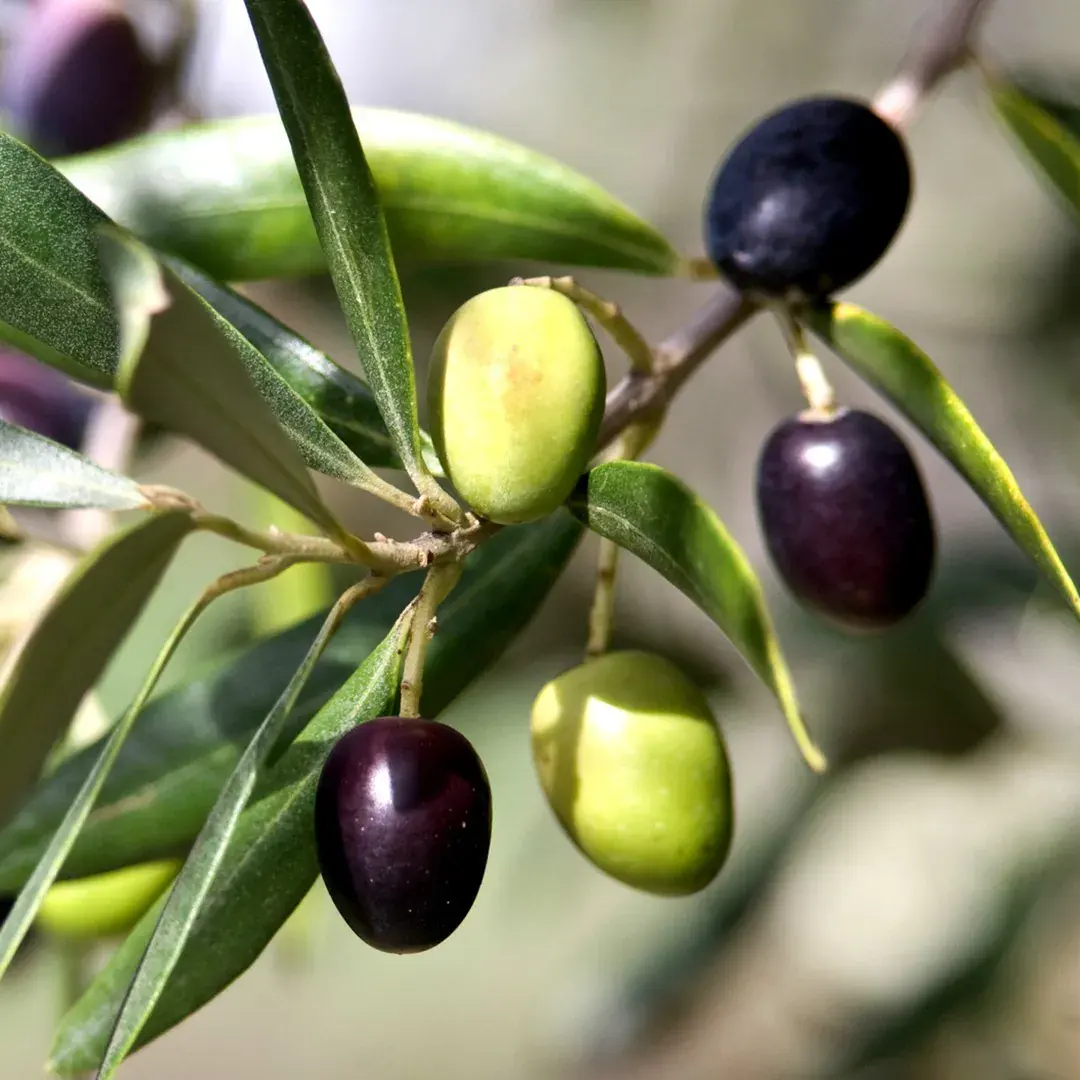
Olive
Olea europaea
A long-lived, silver-leaved tree that shrugs off drought — as a hedge or a specimen.
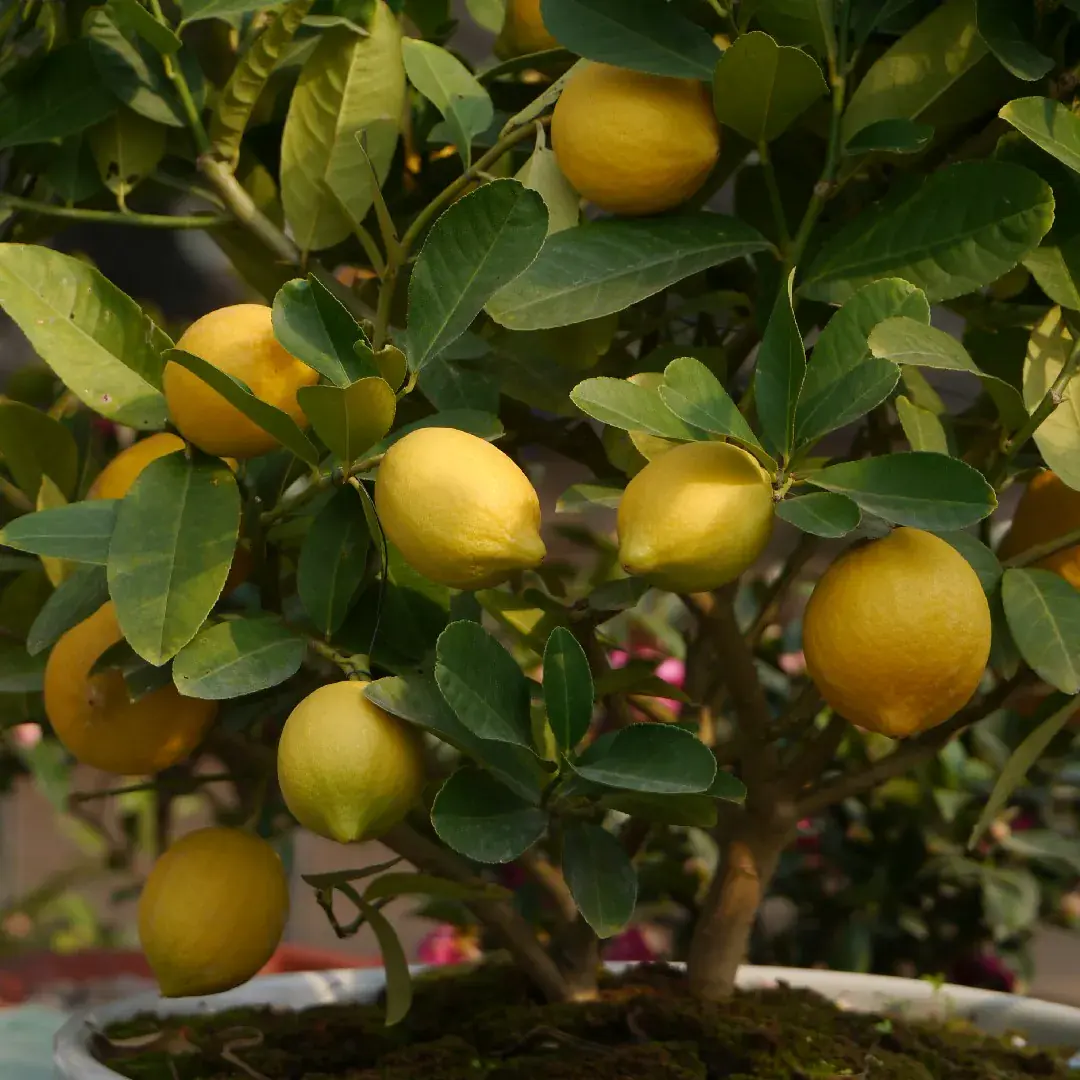
Lemon
Citrus limon
The most requested citrus for home gardens: compact, fragrant, productive most of the year.
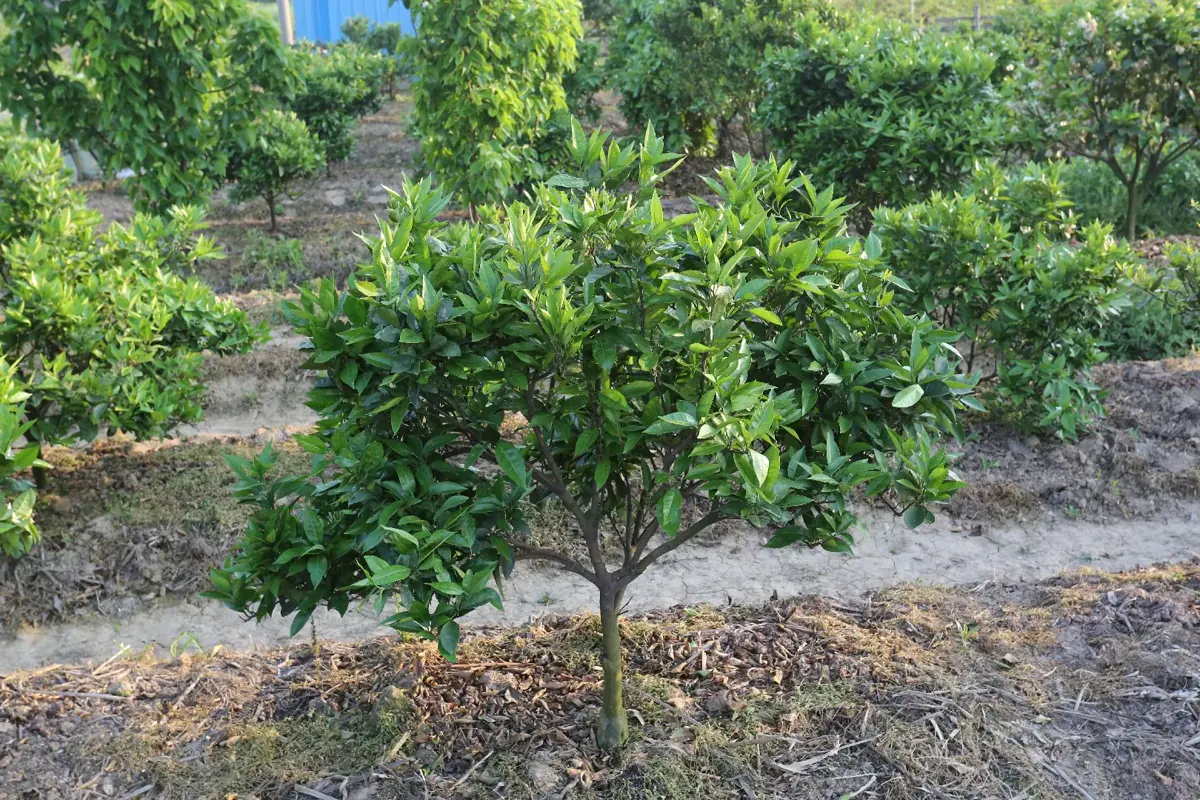
Mandarin
Citrus reticulata
Small, easy-peel citrus on a tree that fits a narrow courtyard.