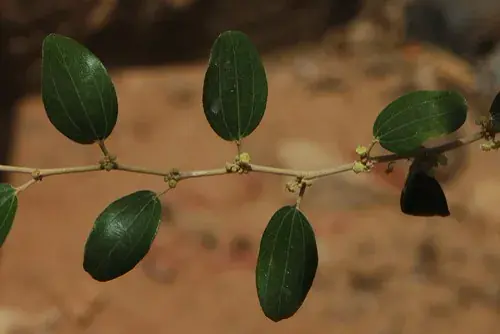
Sidr
A genuinely native tree — extremely tough, and among the densest shade in Arabia.
- Scientific name: Ziziphus spina-christi
- Family: Buckthorn family
- Also known as: Christ's thorn jujube, Nabq
Sidr is native in the fullest sense: it has grown across the Arabian Peninsula for thousands of years and shrugs off conditions that kill most imported ornamentals. It gives dense shade and edible fruit (nabq), and needs less water than almost anything else on this list.
At a glance
- Plant typeTree or shrub
- WateringEvery 2–3 weeks
- LightFull sun
- Comfortable range20 – 38 °C
- Height5 – 10 m
- Spread4 – 8 m
- FloweringEarly to mid summer
- HarvestLate spring to midsummer
Care guide
Watering
Every two to three weeks only — the lowest requirement on this page. Once established it gets by largely on rainfall in wetter seasons, needing just supplementary watering through summer.
Light and heat
Full sun and high heat. Sidr is in its native environment here and needs no shelter from sun or wind.
Soil and feeding
Accepts poor sandy and gravelly soils and tolerates a fair amount of salinity. It needs no intensive feeding programme; one application of organic matter in spring is plenty.
Pruning
Prune in early spring to clear dead branches, set the shape and open the canopy. Mind the thorns — use gloves and clean, sharp tools.
Propagation
Usually grown from seed, which is how it spreads naturally. Grafting is used to get specific larger-fruited nabq varieties.
In Saudi conditions
If the site is difficult — poor soil, limited water, full sun all day — sidr is usually the answer. Being native means it does not need coddling to survive, and it is one of the best choices for farms and rest houses outside the cities.
Common problems
- Tangled, unruly growth if pruning is skipped in the early years
- Thorns make careless pruning a genuine injury risk
- Weak fruiting in extremely poor soil with no organic input
Need a hand?
Shaping a young sidr and pruning it safely around the thorns are jobs worth handing to a verified farmer.
Similar plants
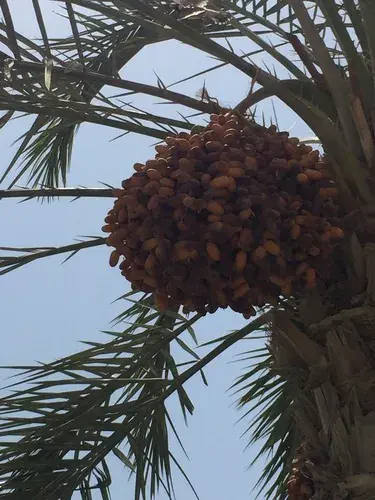
Date palm
Phoenix dactylifera
Saudi Arabia's signature tree: heat-hardy, salt-tolerant, productive for decades.
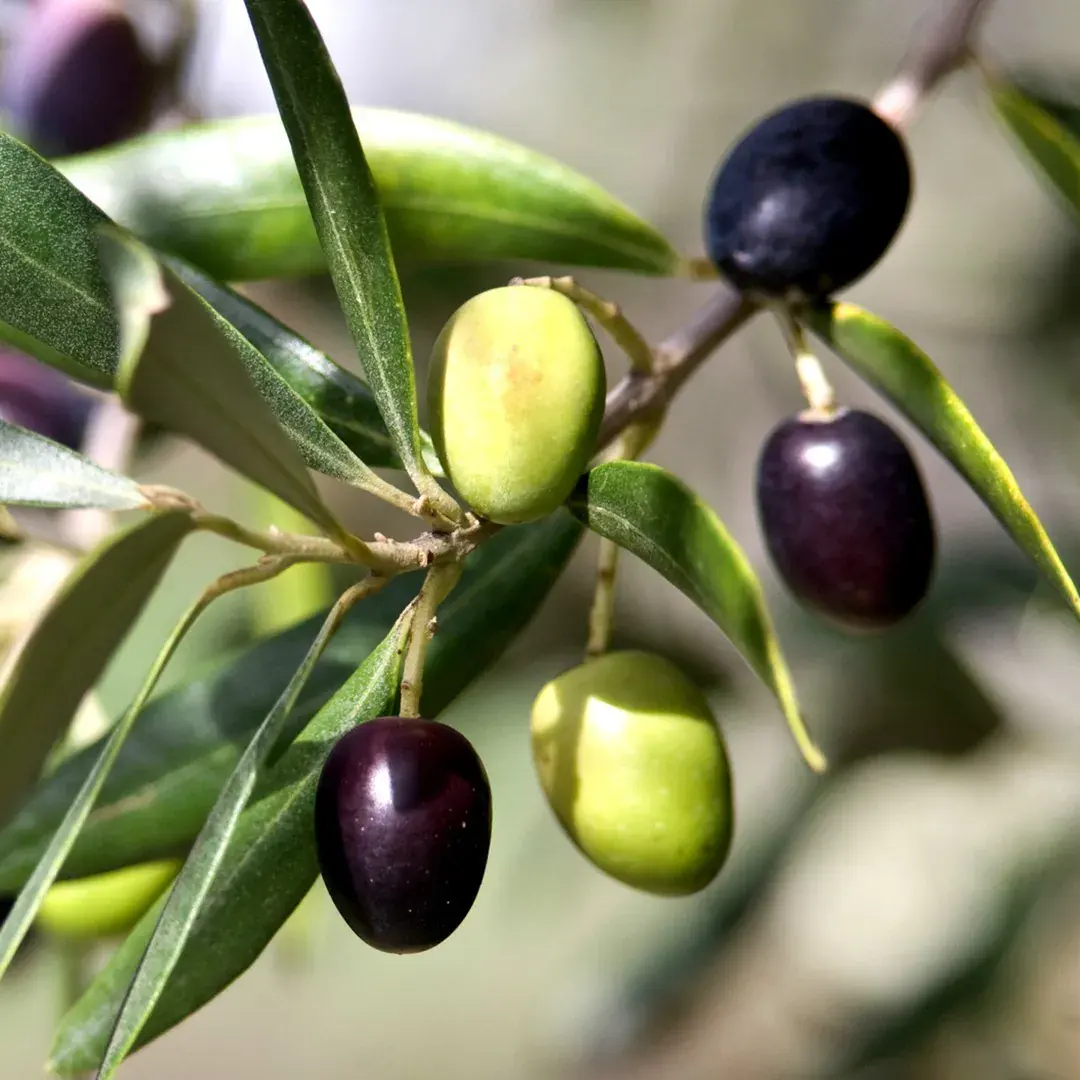
Olive
Olea europaea
A long-lived, silver-leaved tree that shrugs off drought — as a hedge or a specimen.
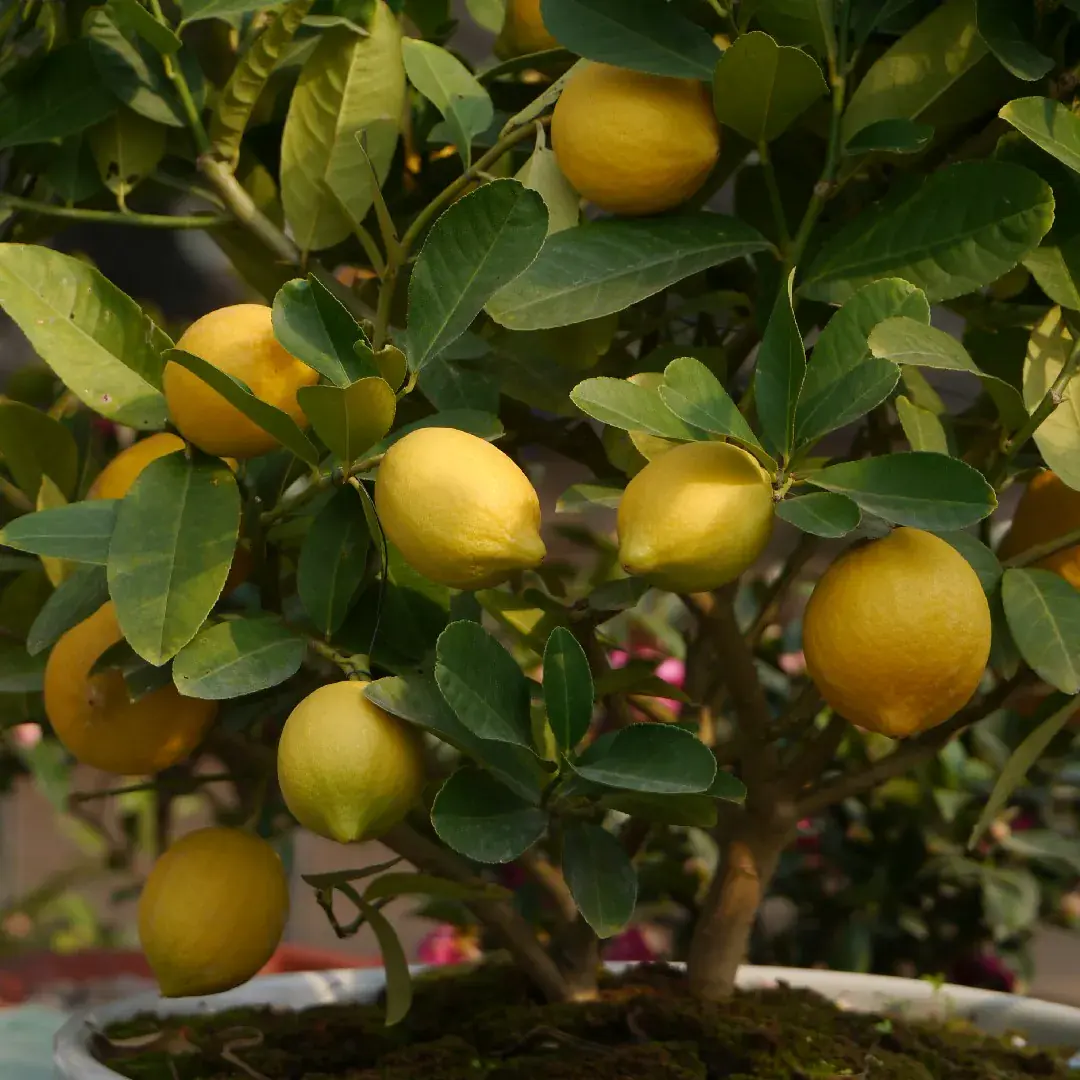
Lemon
Citrus limon
The most requested citrus for home gardens: compact, fragrant, productive most of the year.
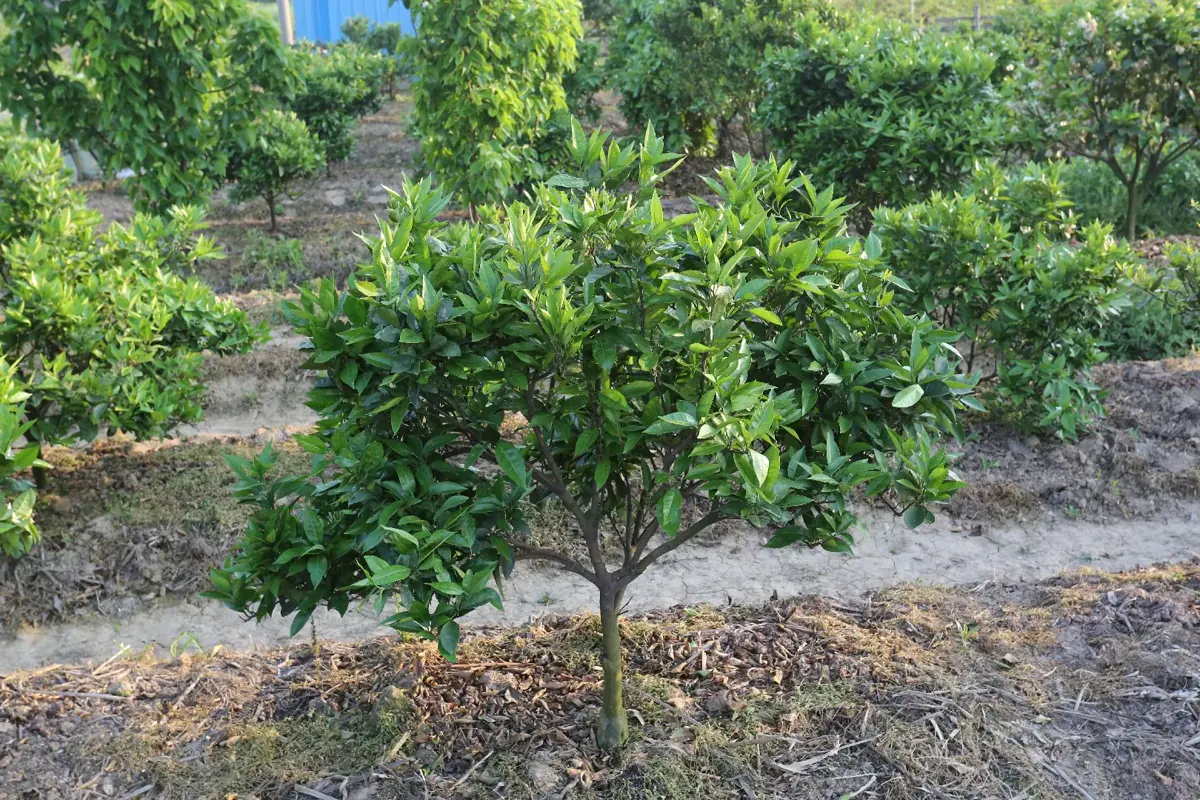
Mandarin
Citrus reticulata
Small, easy-peel citrus on a tree that fits a narrow courtyard.