
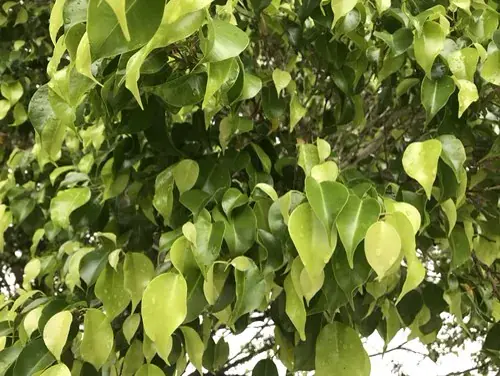
Ficus nitida
Glossy evergreen shade — clipped as a hedge or left to grow into a large tree.
- Scientific name: Ficus microcarpa
- Family: Mulberry family
- Also known as: Indian laurel, Chinese banyan
Ficus nitida is one of the most-used shade trees in Saudi cities. Its small, glossy leaves take repeated clipping, so it serves as a formal hedge as readily as a standalone shade tree. One caveat: the roots are strong and invasive.
At a glance
- Plant typeEvergreen tree
- WateringEvery 1–2 weeks
- LightFull sun or part shade
- Comfortable range20 – 38 °C
- Height15 – 25 m
- Spread11 – 12 m
Care guide
Watering
Water every one to two weeks, keeping the soil moist but not saturated. It takes moderate drought once established, but sheds leaves quickly under real stress.
Light and heat
Adapts to full sun or partial shade, which makes it flexible on sites that buildings shade for half the day.
Soil and feeding
A high-nitrogen feed every two months through the growing season and a balanced formula in cooler months. Young trees want feeding more often than established ones.
Pruning
It takes hard clipping, which is exactly why it works as a hedge. Prune in winter to shape and thin, and repeat light trims through the year if you are holding a formal outline.
Propagation
Cuttings and layering in spring. Keep the soil moist and the light indirect until new leaves appear.
In Saudi conditions
The practical warning that matters most: ficus roots are powerful and water-seeking, and will lift paving or invade drainage lines if planted close to buildings. Leave real distance from walls, paving and irrigation runs, or plant it in a confined bed.
Common problems
- Roots lifting paving and pressing on drainage pipes
- Heavy leaf drop after transplanting or an abrupt change in watering
- Scale insects and spider mite on the leaves
- Vein yellowing where nutrients run short
Need a hand?
Hedge clipping, shaping, and assessing a planting position clear of drainage lines are covered by our landscaping and consulting services.
Similar plants
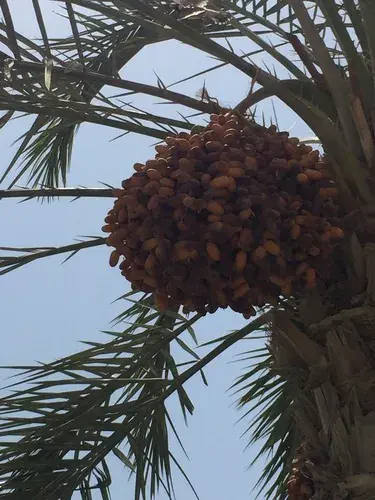
Date palm
Phoenix dactylifera
Saudi Arabia's signature tree: heat-hardy, salt-tolerant, productive for decades.
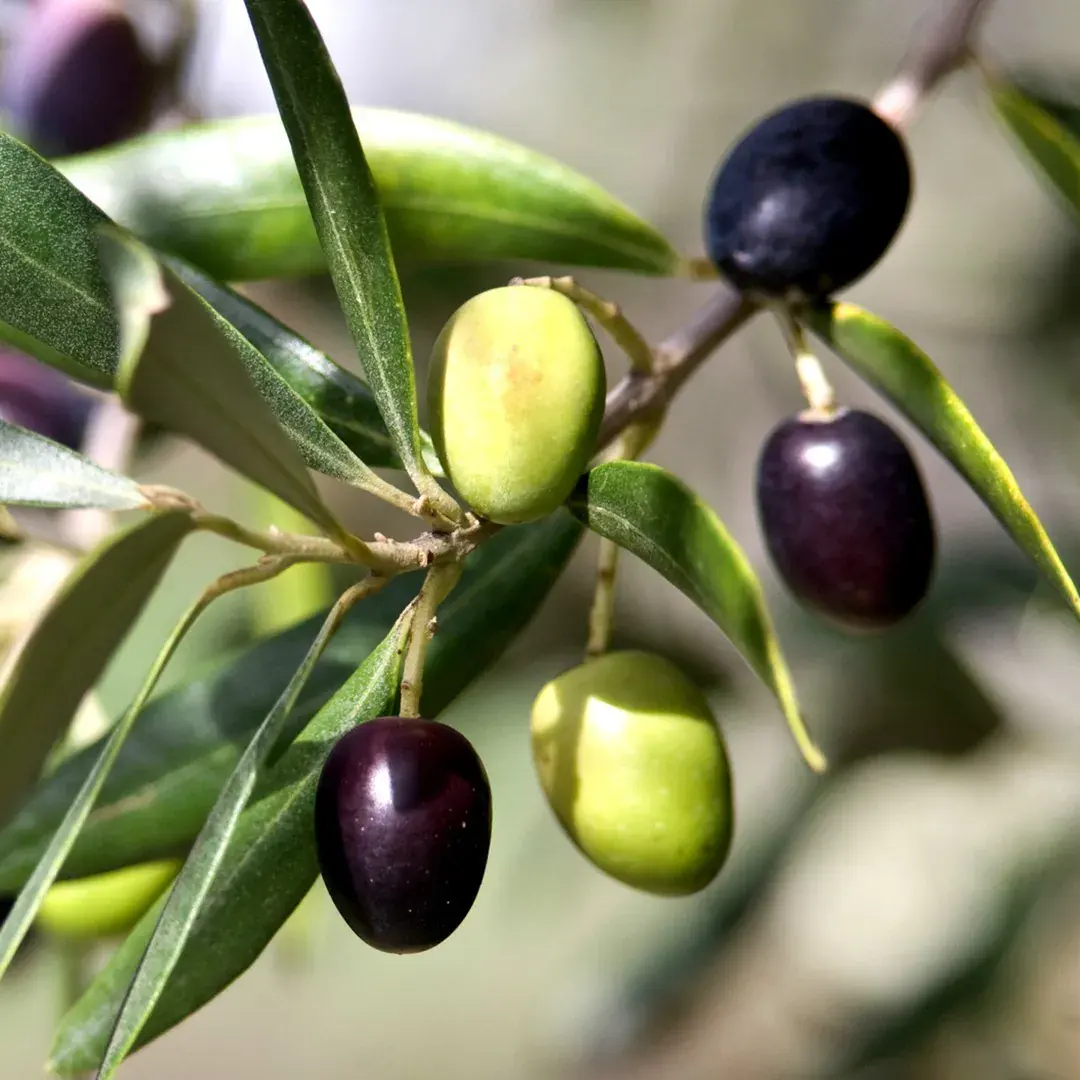
Olive
Olea europaea
A long-lived, silver-leaved tree that shrugs off drought — as a hedge or a specimen.
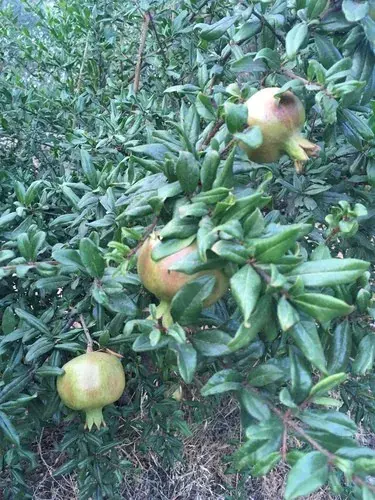
Pomegranate
Punica granatum
Crimson flowers in summer, fruit in autumn, on a tree that takes both heat and cold.
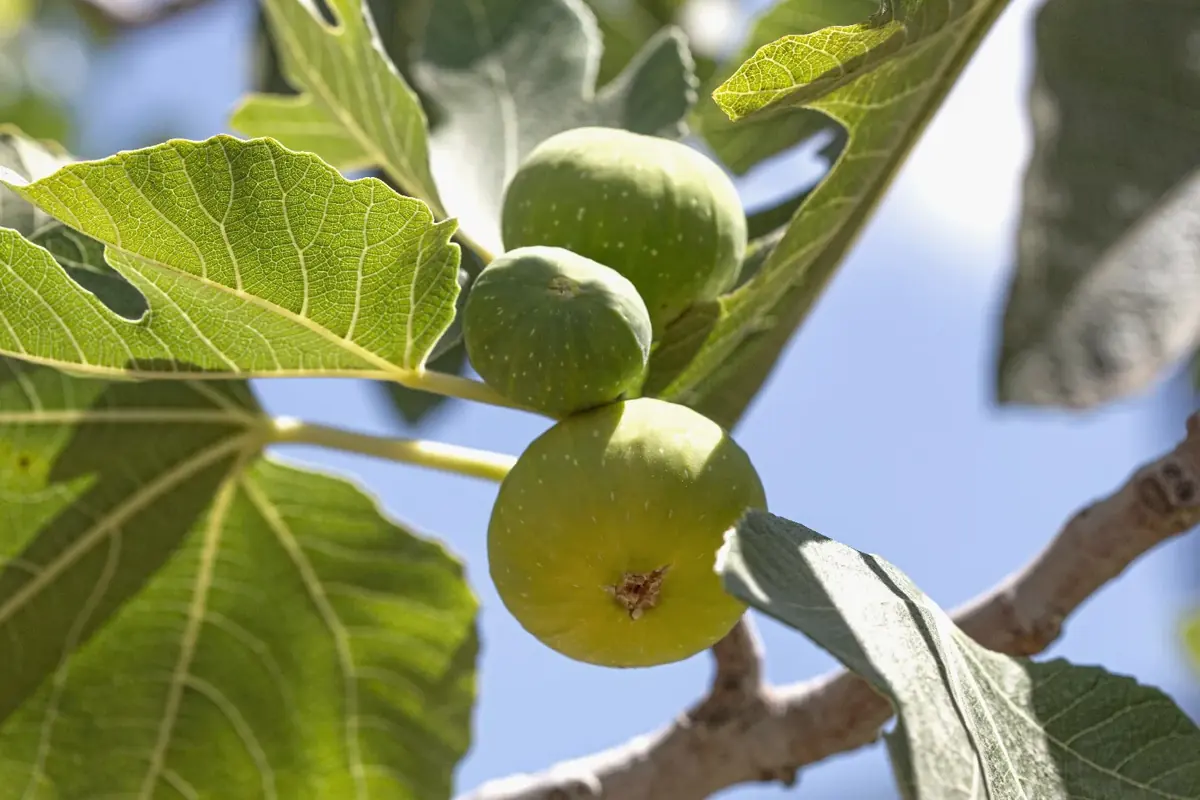
Fig
Ficus carica
Broad leaves, dense shade and early fruit — fast-growing and undemanding.