
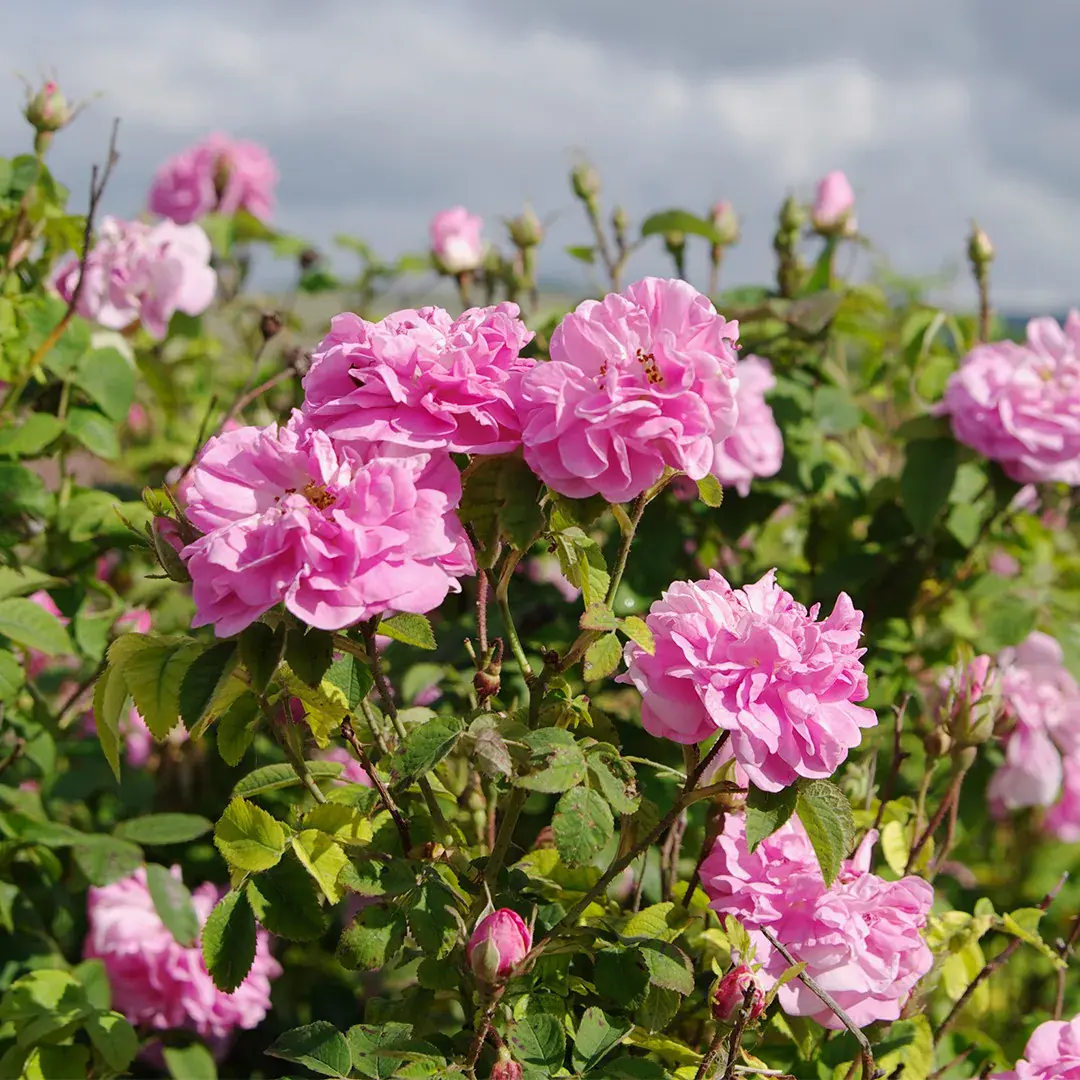
Damask rose
The rose that made Taif's name — intense scent, a short concentrated season.
- Scientific name: Rosa damascena
- Family: Rose family
- Also known as: Taif rose
The Taif rose is the damask rose from which rose water and rose oil have been distilled in Taif for centuries. Its flowering season is short and concentrated in spring, but the density of its scent beats any other rose — which is why it deserves a prominent position rather than a row at the back.
At a glance
- Plant typeShrub
- WateringEvery 1–2 weeks
- LightFull sun
- Comfortable range5 – 35 °C
- HeightUp to 2 m
- SpreadUp to 3 m
- FloweringLate spring to early summer
Care guide
Watering
Every one to two weeks with slight surface drying. Water at the root rather than over the foliage — repeatedly wetting the leaves invites fungal disease.
Light and heat
Full sun, with a clear preference for a mild-to-cool winter. That is precisely why it thrives in the Taif highlands rather than the hot lowlands.
Soil and feeding
Fertile, free-draining soil. Feed little and often: liquid feed fortnightly through spring and summer, and a slow-release every two months.
Pruning
Prune in early spring: clear dead wood and thin crowded stems to improve airflow and light. Good pruning translates directly into more flowers. Always use clean, sharp secateurs.
Propagation
Cuttings from non-flowering shoots, cut just below a node and treated with rooting hormone, kept in high humidity.
In Saudi conditions
It performs best in the highlands and milder regions — Taif, Al-Baha, Abha. It can be grown in Riyadh and hotter areas, but expect a shorter season and smaller flowers, and give it a position with afternoon shade.
Common problems
- Powdery mildew and rust, especially where foliage stays wet
- Aphids, thrips and spider mite on the buds
- Few flowers and weak growth if the spring prune is skipped
- Leaf-edge scorch in severe heat waves
Need a hand?
Specialist spring pruning and a preventive spray programme are offered by our farmers in the Taif and southern regions.
Similar plants
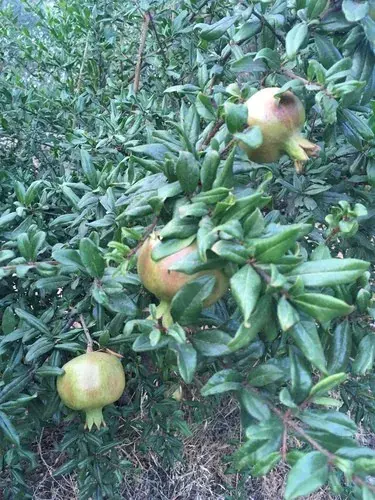
Pomegranate
Punica granatum
Crimson flowers in summer, fruit in autumn, on a tree that takes both heat and cold.
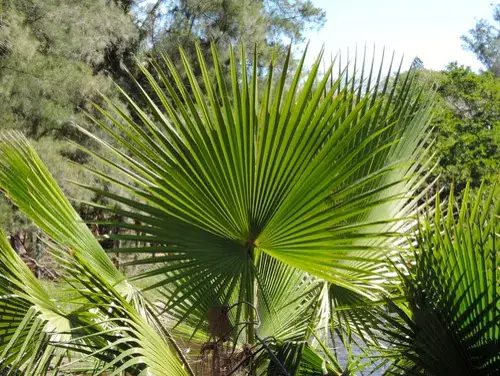
Washingtonia palm
Washingtonia robusta
A fast-growing ornamental palm with a slim trunk and fan fronds — the default at villa entrances.
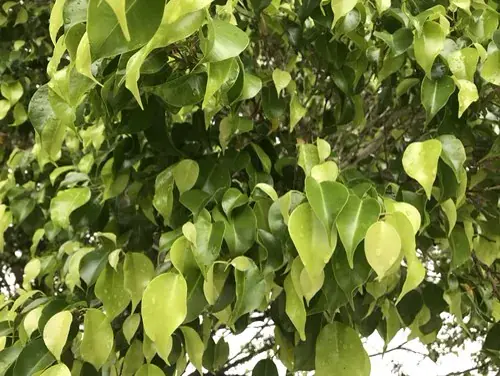
Ficus nitida
Ficus microcarpa
Glossy evergreen shade — clipped as a hedge or left to grow into a large tree.
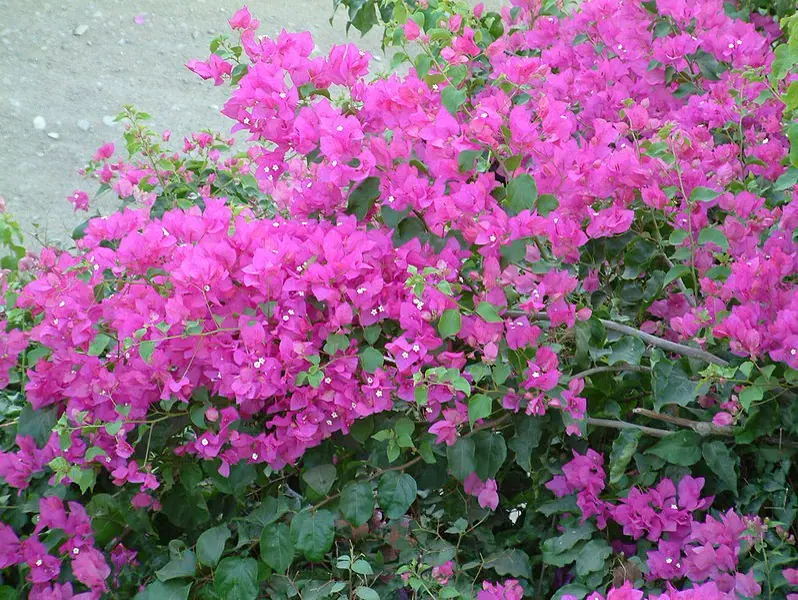
Bougainvillea
Bougainvillea glabra
The most colour per litre of water of anything in a Saudi garden.