
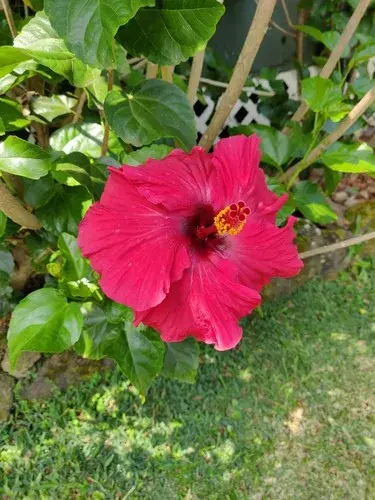
Hibiscus
Large, arresting flowers in succession from spring to autumn.
- Scientific name: Hibiscus rosa-sinensis
- Family: Mallow family
- Also known as: Chinese hibiscus
Chinese hibiscus carries the largest single flower of any common ornamental shrub here. Each bloom lasts only a day or two, but the shrub produces continuously from spring to autumn, so the display keeps renewing itself all season.
At a glance
- Plant typeShrub
- WateringEvery 1–2 weeks
- LightFull sun
- Comfortable range20 – 38 °C
- Height1 – 5 m
- Spread1.5 – 3 m
- FloweringSpring through autumn
Care guide
Watering
Every one to two weeks with slight surface drying between. Continuous flowering costs water, so don't let it dry out hard at peak season or the buds will drop before they open.
Light and heat
Full sun for the heaviest flowering, with light afternoon shade in the hottest regions.
Soil and feeding
A balanced, potassium-rich feed monthly in spring and summer, less often in autumn and winter. Use water-soluble formulations and always water after feeding.
Pruning
Prune in late spring after the flush: clear weak stems and set the shape. Never take more than a third of the shrub in one cut.
Propagation
Stem cuttings a few centimetres long from non-flowering growth, in free-draining soil with steady moisture and indirect light.
In Saudi conditions
It does well in containers near entrances and pools, where the flowers are seen close up. In Riyadh and the interior it needs a position sheltered from dry summer wind, which desiccates the buds before they open.
Common problems
- Buds dropping before opening — water stress or hot wind
- Aphids and mealybug on new growth
- Yellowing leaves where drainage is poor
- Sparse flowering in shade or after over-hard pruning
Need a hand?
Seasonal feeding programmes for continuous bloom, and the post-season prune, are part of routine maintenance.
Similar plants
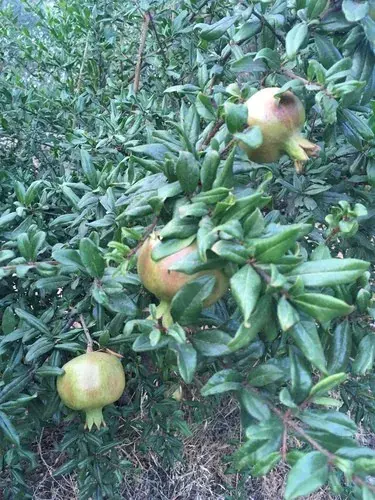
Pomegranate
Punica granatum
Crimson flowers in summer, fruit in autumn, on a tree that takes both heat and cold.
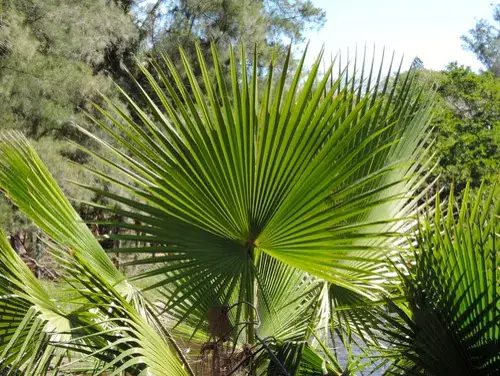
Washingtonia palm
Washingtonia robusta
A fast-growing ornamental palm with a slim trunk and fan fronds — the default at villa entrances.
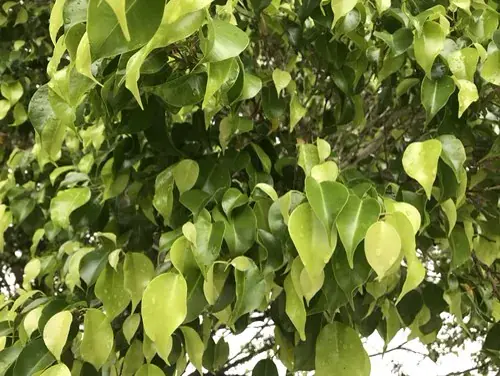
Ficus nitida
Ficus microcarpa
Glossy evergreen shade — clipped as a hedge or left to grow into a large tree.
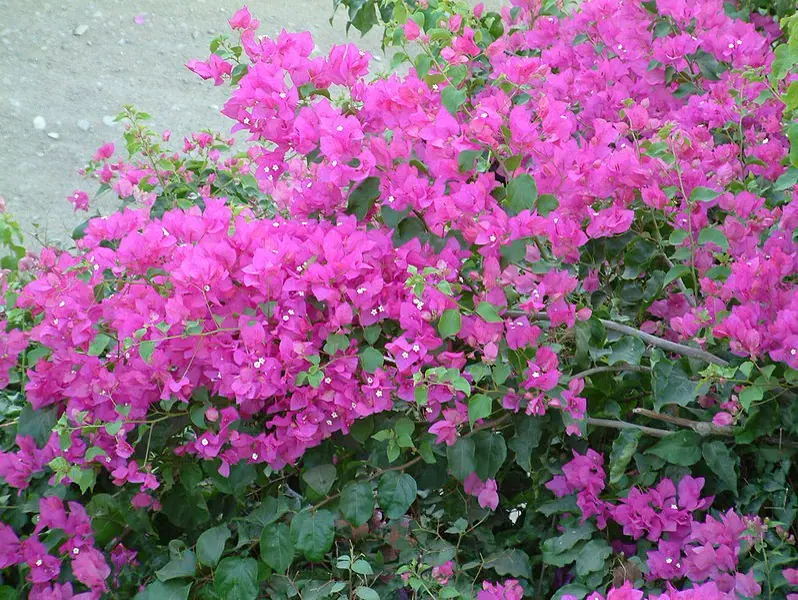
Bougainvillea
Bougainvillea glabra
The most colour per litre of water of anything in a Saudi garden.